
Welcome to Fairfax Underground, a project site designed to improve communication among residents of Fairfax County, VA. Feel free to post anything Northern Virginia residents would find interesting.
-------------------------------------------------------
> Obama is snorkeling while America burns. I hope
> his staff comes up with something good, Obama
> obviously has given up.
Obama will rise, like the legendary phoenix. I still think that he will emerge as one of our greatest Presidents in history. With the next few weeks Obama and his team will reveal a plan that will take this country to new heights and secure his re-election for the next term. He is chilling and relaxing and I think we all know the reason why. Because he's not worried, he knows what he's got and what he's got is good. All these prophets of doom and nervous nellies are in for a real eye operner. You mark my words, all you Cassandras are going to be shocked at how this country is in for a pleasant about face. You can depend on it!!!
Can he use them to get around to the lefty lecture circuit when he's out of office in 2013?
idontlikebeingrightaboutshitlikethisbutiam
Edited 21 time(s). Last edit at 5/31/1967 05:57AM by WingNut.
Last edit at 11/30/2015 01:37PM Last edit at 5/14/2015 03:52PM Last edit at 1/28/2014 05:57AM Last edit at 11/29/2015 01:10PM Last edit at 3/14/2011 11:52PM Last edit at 7/20/2012 04:07AM
Last edit at 6/29/2013 11:18PM Last edit at 3/19/2011 01:02PM Last edit at 3/26/2012 09:07PM
Of course, he has been a fucking miserable shitball and a failure as president, I don't think anyone but the most dedicated libtard dead-enders are still crowing about this guy. He has zero leadership in his blood nor probably an original thought or policy that wasn't instilled by some leftist creep professor.
This was obviously a rhetorical question in the original post, no one can really stand up and say Obama has the "right stuff" to lead America. He doesn't...
My one theory is that Obama is the most high profile example of the Peter Principle the Earth has witnessed. Nice enough guy, decent speaker and somewhat engaging even, but was zipped up through the ranks to the highest andarguably most important job in the world- on an absolutely mediocre record of accomplishment.
BUT.... like a little proverb of wisdom I've learned years ago, "there is a place in the world for everyone". I've always used that to explain to myself why some people are Steve Jobs and others round up shopping carts at Safeway. Everyone has their specific talents and abilities and they "get in where they fit in" accordingly. Simple and explains a lot.
Where would Obama have fit in?
I think he would have been a decent diplomat, particularly to a strategcally unimportant nation. He lacks the language skills to go to China or Russia,(we all heard what a moron he made out of himself calling Cinco de Mayo "Cinco de Quatro" to a group of Mexican visitors to the White House.) If Obama was to go represent America as the US Ambassador to the Bahamas, Jamaica or Belize, I think his abilities would have been fullfilled.
A second field for Obama would be in public relations. Again, he has the look and the decent speaking voice (though aided by teleprompter), and has shown a great skill for imrovisational equivocation. As his poorly dreamed up policies prolong our recession, he's displayed the mastery of excuse making, and delivers these excuses with such a straight face, I know some of the more gullible Americans believe with him. "It's the Arab Spring! It's ATM's! It's the Tsunami! It's Europe!" Blaming any factor but your own policies on the anemic recovery takes a lot of guile and you have to admit, a certain talent.
I could very well see Obama working damage control for celebs. Michael Jackson or Mel Gibson could have really used a face like him in front of the public to deflect charges of child molestation or anti-Semitic spouse abuse. A extra bonus area of sepcialization would be for Obama to concentrate on racial issues. He would be an excelllent front man to face the angry mobs and be a sympathetic minority face defending cases whenMichael Richards when they let the N-word fly or if George Allen has another stupid Macacca "moment".
Let's be honest, Obama could probably be a decent teacher in FCPS. He could probably do some competent consulting work in the field of international business. He would probably be an above average HR guy.
Should he really be our fucking president though?
idontlikebeingrightaboutshitlikethisbutiam
Edited 21 time(s). Last edit at 5/31/1967 05:57AM by WingNut.
Last edit at 11/30/2015 01:37PM Last edit at 5/14/2015 03:52PM Last edit at 1/28/2014 05:57AM Last edit at 11/29/2015 01:10PM Last edit at 3/14/2011 11:52PM Last edit at 7/20/2012 04:07AM
Last edit at 6/29/2013 11:18PM Last edit at 3/19/2011 01:02PM Last edit at 3/26/2012 09:07PM
-------------------------------------------------------
> Of course, he has been a fucking miserable
> shitball
Nice dog whistle, calling him "brown" waste.
> and a failure as president, I don't think
> anyone but the most dedicated libtard dead-enders
> are still crowing about this guy. He has zero
> leadership in his blood nor probably an original
> thought or policy that wasn't instilled by some
> leftist creep professor.
Cheney ran the white house under Bush, where is your criticism of that golfing idiot?
-------------------------------------------------------
> WingNut Wrote:
> --------------------------------------------------
> -----
> > Of course, he has been a fucking miserable
> > shitball
>
> Nice dog whistle, calling him "brown" waste.
Do you medicate this paranoia, or do you expect it to clear up?
idontlikebeingrightaboutshitlikethisbutiam
Edited 21 time(s). Last edit at 5/31/1967 05:57AM by WingNut.
Last edit at 11/30/2015 01:37PM Last edit at 5/14/2015 03:52PM Last edit at 1/28/2014 05:57AM Last edit at 11/29/2015 01:10PM Last edit at 3/14/2011 11:52PM Last edit at 7/20/2012 04:07AM
Last edit at 6/29/2013 11:18PM Last edit at 3/19/2011 01:02PM Last edit at 3/26/2012 09:07PM
-------------------------------------------------------
> Why, you have a terminal illness?
idontlikebeingrightaboutshitlikethisbutiam
Edited 21 time(s). Last edit at 5/31/1967 05:57AM by WingNut.
Last edit at 11/30/2015 01:37PM Last edit at 5/14/2015 03:52PM Last edit at 1/28/2014 05:57AM Last edit at 11/29/2015 01:10PM Last edit at 3/14/2011 11:52PM Last edit at 7/20/2012 04:07AM
Last edit at 6/29/2013 11:18PM Last edit at 3/19/2011 01:02PM Last edit at 3/26/2012 09:07PM
Attachments:
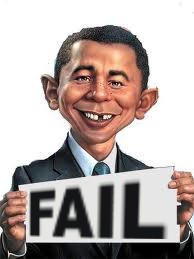
I have been desperately eager to hear from one of the many Obamatards here about what they liked in Obama- what made that tingle go up your leg, why a novice like him should have the keys to the Big Wheel.
Where are all the people who supported Obummer in the primary against Hillary? Please, pease- someone tell me what you thought was election worthy about this miserable failure of a buttclown?
I never believed in Obamas policies, but honestly I did think he would be at least an effective enough communicator and speaker to convince Americans that his path is the right one.
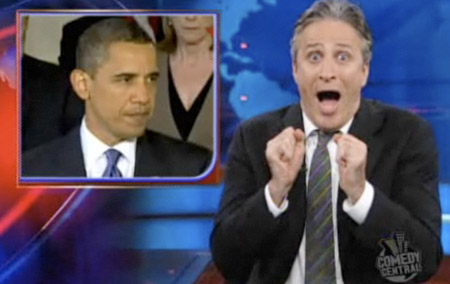
This fucker is the worst negotiator ever, Boehner left him looking like a fool this week with the Speech/Debate controversy. How many people will watch Obumbles make another "powerful speech" about jobs when we can be watching Packers-Saints instead?
This presidency is OVER.
idontlikebeingrightaboutshitlikethisbutiam
Edited 21 time(s). Last edit at 5/31/1967 05:57AM by WingNut.
Last edit at 11/30/2015 01:37PM Last edit at 5/14/2015 03:52PM Last edit at 1/28/2014 05:57AM Last edit at 11/29/2015 01:10PM Last edit at 3/14/2011 11:52PM Last edit at 7/20/2012 04:07AM
Last edit at 6/29/2013 11:18PM Last edit at 3/19/2011 01:02PM Last edit at 3/26/2012 09:07PM
Attachments:
-------------------------------------------------------
> It wouldn't have mattered which candidate won. The
> economy was in such a shambles from the Bush
> years. If the 2001 recession had been allowed to
> run its course, it would've been a mild recovery
> like 1992-1994 before another robust expansion.
> Instead, the previous group wrecked the entire
> economy by creating new bubbles in real estate and
> defense spending.
You may be absolutely right. I wasn't much bothered by the 2000/2001 economy hiccup but it did think it was kind of stupid for Bush to give us those $300/$400
tax rebate checks (rmember them?) though I was happy to spend the money. Seems like a lifetime ago..
Honestly I don't think any party was truly interested in preventing the housing bubble. Bush was happy to have a good economy when waging an increasingly unpopular war. The Dems were anxious to "expand housing opportunites", though in hindsight I think they were hoping it would explode on the Repubs.
Either way, economic desperation forces people to make irrational and reckless decisions and gravitate toward populist bullshit leaders.
We deifinitely could have erred and elected someone more extreme than Obama, but I don't think we could have found a man less qualified and less ready to lead.
Voting for Obama was a counterproductive measure regardless of how bad the economy was in 2008.
idontlikebeingrightaboutshitlikethisbutiam
Edited 21 time(s). Last edit at 5/31/1967 05:57AM by WingNut.
Last edit at 11/30/2015 01:37PM Last edit at 5/14/2015 03:52PM Last edit at 1/28/2014 05:57AM Last edit at 11/29/2015 01:10PM Last edit at 3/14/2011 11:52PM Last edit at 7/20/2012 04:07AM
Last edit at 6/29/2013 11:18PM Last edit at 3/19/2011 01:02PM Last edit at 3/26/2012 09:07PM
-------------------------------------------------------
> Goddammit, as Mick Jagger said- I can't get no
> satisfaction...
>
> I have been desperately eager to hear from one of
> the many Obamatards here about what they liked in
> Obama- what made that tingle go up your leg, why a
> novice like him should have the keys to the Big
> Wheel.
>
> Where are all the people who supported Obummer in
> the primary against Hillary? Please, pease-
> someone tell me what you thought was election
> worthy about this miserable failure of a
> buttclown?
>
> I never believed in Obamas policies, but honestly
> I did think he would be at least an effective
> enough communicator and speaker to convince
> Americans that his path is the right one.
>
> This fucker is the worst negotiator ever, Boehner
> left him looking like a fool this week with the
> Speech/Debate controversy. How many people will
> watch Obumbles make another "powerful speech"
> about jobs when we can be watching Packers-Saints
> instead?
>
> This presidency is OVER.
How about you put your money where your mouth is dip shit? How about if Obama is relelected you promise to donate $100 to the American Civil Liberies Union and I'll do the same for the charity of your choice. Needless to say this is a bet that requires a certain amount of trust and gentlemen-ness. Arent you one of those Vaaaagiiiiniiiaaa fought for states rights not slavery dip shits? Dont you have a sense of honor that deserves being trusted?
So, put up or shut up! $100...ACLU
-------------------------------------------------------
> How about you put your money where your mouth is
> dip shit? How about if Obama is relelected you
> promise to donate $100 to the American Civil
> Liberies Union and I'll do the same for the
> charity of your choice. Needless to say this is a
> bet that requires a certain amount of trust and
> gentlemen-ness. Arent you one of those
> Vaaaagiiiiniiiaaa fought for states rights not
> slavery dip shits? Dont you have a sense of honor
> that deserves being trusted?
>
> So, put up or shut up! $100...ACLU
No, you won't find me talking about the Civil War or the Confederacy here. I know you'd like to claim anyone who opposes Obumass must have a racist agenda. Pretty pathetic logic.
I would support Obama fully if he was a queer Muslim, as long as he had had sound economic policies. Unfortunately he is a quack and he doesn't.
Wow, a gentlemans bet! What kind of fucking homo are you? I pick and give to my own charities anyway, why play silly games with online wanks like you? A very stupid and unoriginal idea, the kind I would expect from an Obama retread who is still supporting faulty Keynsian thought of the 1930's.
Face it, you voted for a chump.
You still blindly support a chump.
You are a chump.
idontlikebeingrightaboutshitlikethisbutiam
Edited 21 time(s). Last edit at 5/31/1967 05:57AM by WingNut.
Last edit at 11/30/2015 01:37PM Last edit at 5/14/2015 03:52PM Last edit at 1/28/2014 05:57AM Last edit at 11/29/2015 01:10PM Last edit at 3/14/2011 11:52PM Last edit at 7/20/2012 04:07AM
Last edit at 6/29/2013 11:18PM Last edit at 3/19/2011 01:02PM Last edit at 3/26/2012 09:07PM
Attachments:
![cross-dress-cooking[1].jpg](http://www.fairfaxunderground.com/forum/file.php?40,file=40039,filename=cross-dress-cooking_1_.jpg "cross-dress-cooking[1].jpg")
Obumma as governed about as well too.
idontlikebeingrightaboutshitlikethisbutiam
Edited 21 time(s). Last edit at 5/31/1967 05:57AM by WingNut.
Last edit at 11/30/2015 01:37PM Last edit at 5/14/2015 03:52PM Last edit at 1/28/2014 05:57AM Last edit at 11/29/2015 01:10PM Last edit at 3/14/2011 11:52PM Last edit at 7/20/2012 04:07AM
Last edit at 6/29/2013 11:18PM Last edit at 3/19/2011 01:02PM Last edit at 3/26/2012 09:07PM
Attachments:

I wonder what the resume of another US Senator with a two years of experience would look like?
A few committee memberships here and there, but nothing groundbreaking- just the common bureaucrat formalities you'd expect from a Washington insider.
No brave policies written.
No companies turned around.
No innovation whatsoever.
Give this bozo another half trillion? I really fucking doubt it.
idontlikebeingrightaboutshitlikethisbutiam
Edited 21 time(s). Last edit at 5/31/1967 05:57AM by WingNut.
Last edit at 11/30/2015 01:37PM Last edit at 5/14/2015 03:52PM Last edit at 1/28/2014 05:57AM Last edit at 11/29/2015 01:10PM Last edit at 3/14/2011 11:52PM Last edit at 7/20/2012 04:07AM
Last edit at 6/29/2013 11:18PM Last edit at 3/19/2011 01:02PM Last edit at 3/26/2012 09:07PM
-------------------------------------------------------
> Barack Obama's Resume
>
> http://cdn.theladders.net/static/pdf/Senator_Obama
> _Resume.pdf
Link is all busted like.
Some of Sarah Palin's Ideas Cross the Political Divide
http://www.nytimes.com/2011/09/10/us/10iht-currents10.html?_r=4&adxnnl=1&adxnnlx=1315569719-RpR5AuX40tZqZl8xOiUg7g
You know it must be bad for Obama when the NYT folks are starting to think what Palin is saying makes sense. WTH.
...But something curious happened when Ms. Palin strode onto the stage last weekend at a Tea Party event in Indianola, Iowa. Along with her familiar and predictable swipes at President Barack Obama and the “far left,” she delivered a devastating indictment of the entire U.S. political establishment — left, right and center — and pointed toward a way of transcending the presently unbridgeable political divide.
The next day, the “lamestream” media, as she calls it, played into her fantasy of it by ignoring the ideas she unfurled and dwelling almost entirely on the will-she-won’t-she question of her presidential ambitions.
So here is something I never thought I would write: a column about Sarah Palin’s ideas.
There was plenty of the usual Palin schtick — words that make clear that she is not speaking to everyone but to a particular strain of American: “The working men and women of this country, you got up off your couch, you came down from the deer stand, you came out of the duck blind, you got off the John Deere, and we took to the streets, and we took to the town halls, and we ended up at the ballot box.”
But when her throat was cleared at last, Ms. Palin had something considerably more substantive to say.
She made three interlocking points. First, that the United States is now governed by a “permanent political class,” drawn from both parties, that is increasingly cut off from the concerns of regular people. Second, that these Republicans and Democrats have allied with big business to mutual advantage to create what she called “corporate crony capitalism.” Third, that the real political divide in the United States may no longer be between friends and foes of Big Government, but between friends and foes of vast, remote, unaccountable institutions (both public and private).
In supporting her first point, about the permanent political class, she attacked both parties’ tendency to talk of spending cuts while spending more and more; to stoke public anxiety about a credit downgrade, but take a vacation anyway; to arrive in Washington of modest means and then somehow ride the gravy train to fabulous wealth. She observed that 7 of the 10 wealthiest counties in the United States happen to be suburbs of the nation’s capital.
Her second point, about money in politics, helped to explain the first. The permanent class stays in power because it positions itself between two deep troughs: the money spent by the government and the money spent by big companies to secure decisions from government that help them make more money.
“Do you want to know why nothing ever really gets done?” she said, referring to politicians. “It’s because there’s nothing in it for them. They’ve got a lot of mouths to feed — a lot of corporate lobbyists and a lot of special interests that are counting on them to keep the good times and the money rolling along.”
Because her party has agitated for the wholesale deregulation of money in politics and the unshackling of lobbyists, these will be heard in some quarters as sacrilegious words.
Ms. Palin’s third point was more striking still: in contrast to the sweeping paeans to capitalism and the free market delivered by the Republican presidential candidates whose ranks she has yet to join, she sought to make a distinction between good capitalists and bad ones. The good ones, in her telling, are those small businesses that take risks and sink and swim in the churning market; the bad ones are well-connected megacorporations that live off bailouts, dodge taxes and profit terrifically while creating no jobs. ...
If you can’t model the past, where you know the answer pretty well, how can you model the future? - William Happer Cyrus Fogg Brackett Professor of Physics Princeton University
Registered Voter Wrote:
-------------------------------------------------------
> And then we have stories like this...
>
> Some of Sarah Palin's Ideas Cross the Political
> Divide
> http://www.nytimes.com/2011/09/10/us/10iht-current
> s10.html?_r=4&adxnnl=1&adxnnlx=1315569719-RpR5AuX4
> 0tZqZl8xOiUg7g
>
> You know it must be bad for Obama when the NYT
> folks are starting to think what Palin is saying
> makes sense. WTH.
>
> ...But something curious happened when Ms. Palin
> strode onto the stage last weekend at a Tea Party
> event in Indianola, Iowa. Along with her familiar
> and predictable swipes at President Barack Obama
> and the “far left,” she delivered a
> devastating indictment of the entire U.S.
> political establishment — left, right and center
> — and pointed toward a way of transcending the
> presently unbridgeable political divide.
>
> The next day, the “lamestream” media, as she
> calls it, played into her fantasy of it by
> ignoring the ideas she unfurled and dwelling
> almost entirely on the will-she-won’t-she
> question of her presidential ambitions.
>
> So here is something I never thought I would
> write: a column about Sarah Palin’s ideas.
>
> There was plenty of the usual Palin schtick —
> words that make clear that she is not speaking to
> everyone but to a particular strain of American:
> “The working men and women of this country, you
> got up off your couch, you came down from the deer
> stand, you came out of the duck blind, you got off
> the John Deere, and we took to the streets, and we
> took to the town halls, and we ended up at the
> ballot box.”
>
> But when her throat was cleared at last, Ms. Palin
> had something considerably more substantive to
> say.
>
> She made three interlocking points. First, that
> the United States is now governed by a
> “permanent political class,” drawn from both
> parties, that is increasingly cut off from the
> concerns of regular people. Second, that these
> Republicans and Democrats have allied with big
> business to mutual advantage to create what she
> called “corporate crony capitalism.” Third,
> that the real political divide in the United
> States may no longer be between friends and foes
> of Big Government, but between friends and foes of
> vast, remote, unaccountable institutions (both
> public and private).
>
> In supporting her first point, about the permanent
> political class, she attacked both parties’
> tendency to talk of spending cuts while spending
> more and more; to stoke public anxiety about a
> credit downgrade, but take a vacation anyway; to
> arrive in Washington of modest means and then
> somehow ride the gravy train to fabulous wealth.
> She observed that 7 of the 10 wealthiest counties
> in the United States happen to be suburbs of the
> nation’s capital.
>
> Her second point, about money in politics, helped
> to explain the first. The permanent class stays in
> power because it positions itself between two deep
> troughs: the money spent by the government and the
> money spent by big companies to secure decisions
> from government that help them make more money.
>
> “Do you want to know why nothing ever really
> gets done?” she said, referring to politicians.
> “It’s because there’s nothing in it for
> them. They’ve got a lot of mouths to feed — a
> lot of corporate lobbyists and a lot of special
> interests that are counting on them to keep the
> good times and the money rolling along.”
>
> Because her party has agitated for the wholesale
> deregulation of money in politics and the
> unshackling of lobbyists, these will be heard in
> some quarters as sacrilegious words.
>
> Ms. Palin’s third point was more striking still:
> in contrast to the sweeping paeans to capitalism
> and the free market delivered by the Republican
> presidential candidates whose ranks she has yet to
> join, she sought to make a distinction between
> good capitalists and bad ones. The good ones, in
> her telling, are those small businesses that take
> risks and sink and swim in the churning market;
> the bad ones are well-connected megacorporations
> that live off bailouts, dodge taxes and profit
> terrifically while creating no jobs. ...
-------------------------------------------------------
> If he was not before, he sure as hell is now. How
> can you argue that he's not? I mean he's been
> President for a number of years already.
Good fucking grief...
I let my dog take the wheel of the car, therefore HE IS QUALIFIED TO DRIVE.
JaMarcus Russell was once quarterback of the Oakland Raiders, therefore is he "qualified" to CONTINUE being quarterback of the Oakland Raiders?
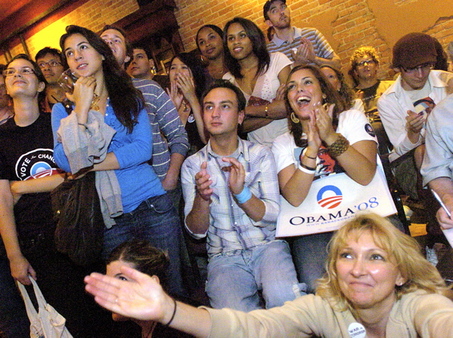
Obama has been a miserable failure with zero sense of leadership. Nothing he has done in the last almost three years, makes him a good president or re-electable. The fact that he has been a president, does not mean he is or was qualified to b president.
Obama was an ice cream scooper and a "community organizer". If you believe this clown was ever qualified, you can be sold anything.
idontlikebeingrightaboutshitlikethisbutiam
Edited 21 time(s). Last edit at 5/31/1967 05:57AM by WingNut.
Last edit at 11/30/2015 01:37PM Last edit at 5/14/2015 03:52PM Last edit at 1/28/2014 05:57AM Last edit at 11/29/2015 01:10PM Last edit at 3/14/2011 11:52PM Last edit at 7/20/2012 04:07AM
Last edit at 6/29/2013 11:18PM Last edit at 3/19/2011 01:02PM Last edit at 3/26/2012 09:07PM
Attachments:
-------------------------------------------------------
> Like you would fare any better, Fagnut.
No one is talking about "Wingnut" or his qualifications. We are talking about the man that you were probably gullible enough to vote for and still support.
If I need a good plumber, I get someone with qualifying experience.
If I need a good accountant, I get someone with qualifying experience.
We all pay taxes and have a say about who leads our nation. Obama really is not very good at all. You know it.
idontlikebeingrightaboutshitlikethisbutiam
Edited 21 time(s). Last edit at 5/31/1967 05:57AM by WingNut.
Last edit at 11/30/2015 01:37PM Last edit at 5/14/2015 03:52PM Last edit at 1/28/2014 05:57AM Last edit at 11/29/2015 01:10PM Last edit at 3/14/2011 11:52PM Last edit at 7/20/2012 04:07AM
Last edit at 6/29/2013 11:18PM Last edit at 3/19/2011 01:02PM Last edit at 3/26/2012 09:07PM
Attachments:

idontlikebeingrightaboutshitlikethisbutiam
Edited 21 time(s). Last edit at 5/31/1967 05:57AM by WingNut.
Last edit at 11/30/2015 01:37PM Last edit at 5/14/2015 03:52PM Last edit at 1/28/2014 05:57AM Last edit at 11/29/2015 01:10PM Last edit at 3/14/2011 11:52PM Last edit at 7/20/2012 04:07AM
Last edit at 6/29/2013 11:18PM Last edit at 3/19/2011 01:02PM Last edit at 3/26/2012 09:07PM
Attachments:

http://www.humanevents.com/article.php?id=46116
idontlikebeingrightaboutshitlikethisbutiam
Edited 21 time(s). Last edit at 5/31/1967 05:57AM by WingNut.
Last edit at 11/30/2015 01:37PM Last edit at 5/14/2015 03:52PM Last edit at 1/28/2014 05:57AM Last edit at 11/29/2015 01:10PM Last edit at 3/14/2011 11:52PM Last edit at 7/20/2012 04:07AM
Last edit at 6/29/2013 11:18PM Last edit at 3/19/2011 01:02PM Last edit at 3/26/2012 09:07PM
Attachments:
-------------------------------------------------------
> How has Obama failed? Did he start another war?
> Did he make companies not want to hire people?
> Cause a recession? I mean us minorities can't tell
> a difference. Why are people with stable news /
> sit around the table jobs talking about what Obama
> needs to do? Was he suppose to fix everything in 2
> years? Sean annuity doesn't care if people have
> jobs. Palin, Cain, nope. Republicans don't care if
> tyrone doesn't have a job. I'm concerned about
> making America a truly equal nation, how are we
> going to do that?
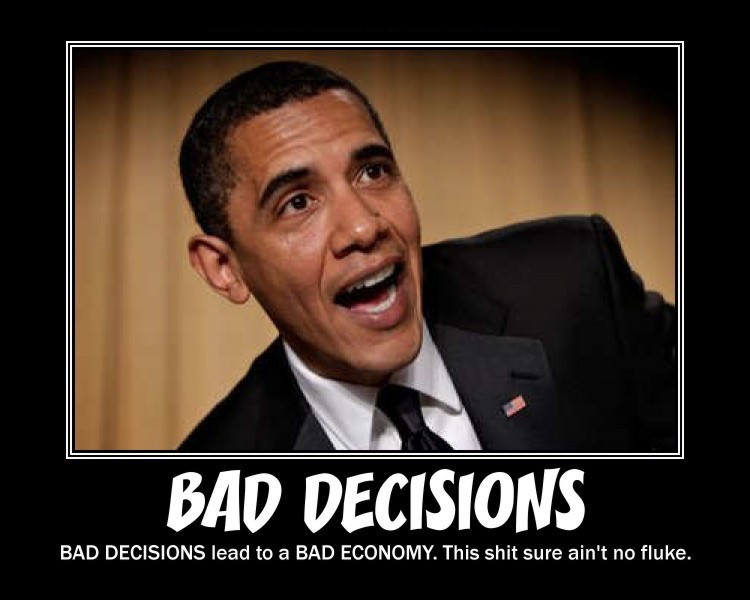
How has Obama failed?
- He promised during his election campaign that the unemployment rate would not go above 8%. What is it now? 9.1%?
- He promised that GITMO would be shut down. Nope. Still in operation down in Cuba.
- He promised to get troops pulled out of Iraq and Afghanistan. He said he'd end the war in Iraq within 16 months. 48,000 troops are still in Iraq.
- He has started no wars? What's going on in Libya? Is it a rumor that there are troops on the ground in that country? Or, was I dreaming?
-------------------------------------------------------
> how has he failed Wrote:
> --------------------------------------------------
> -----
> > How has Obama failed? Did he start another war?
> > Did he make companies not want to hire people?
> > Cause a recession? I mean us minorities can't
> tell
> > a difference. Why are people with stable news /
> > sit around the table jobs talking about what
> Obama
> > needs to do? Was he suppose to fix everything in
> 2
> > years? Sean annuity doesn't care if people have
> > jobs. Palin, Cain, nope. Republicans don't care
> if
> > tyrone doesn't have a job. I'm concerned about
> > making America a truly equal nation, how are we
> > going to do that?
>
> How has Obama failed?
>
> - He promised during his election campaign that
> the unemployment rate would not go above 8%. What
> is it now? 9.1%?
>
> - He promised that GITMO would be shut down.
> Nope. Still in operation down in Cuba.
>
> - He promised to get troops pulled out of Iraq and
> Afghanistan. He said he'd end the war in Iraq
> within 16 months. 48,000 troops are still in
> Iraq.
>
> - He has started no wars? What's going on in
> Libya? Is it a rumor that there are troops on the
> ground in that country? Or, was I dreaming?
Listen, no one cares about any of those besides the jobs number and the other 3 are misleading half truths or lies. He was stupid to have ever put a number on the unemployment rate. There are too many factors beyong a Presidents control to ever promise a particular number. If you notice none of the Republican candidates are willing to state a similar number. So stop with the crap. Ah honest criticismwould be to say how naive he was to have ever promised a particular unemployment rate.
He did not promise to get all troops out in 16 months. His last staements prior to the election was to abide by the SOFA agreement with Iraq. He has done a very good job doing so.
He did not promise to stay or get out of Afghanistan. He always said that the real war was Afghanistan and that Bush took his eye of the war.
The tropps on the ground in Libya are associaited with the Embassy.
GTMO still open. That is due to Republicans putting into law provisions not allowing it. Besides, no one gives a shit.
If we had a McSame as President one has to wonder where we'd be in Libya...Mr McSame would have had us hip deep into Libya. I'll take Obama's plan over that plan any day.
> Listen, no one cares about any of those besides
> the jobs number and the other 3 are misleading
> half truths or lies. He was stupid to have ever
> put a number on the unemployment rate. There are
> too many factors beyong a Presidents control to
> ever promise a particular number. If you notice
> none of the Republican candidates are willing to
> state a similar number. So stop with the crap. Ah
> honest criticismwould be to say how naive he was
> to have ever promised a particular unemployment
> rate.
A smart prez never would have made such claims, unless he had advisors incompetent enough to convince him they were plausible. SPending almost a trillion dollars on something that does not fullfill it's pronises at all shows imeptitude.
> He did not promise to get all troops out in 16
> months. His last staements prior to the election
> was to abide by the SOFA agreement with Iraq. He
> has done a very good job doing so.
>
> He did not promise to stay or get out of
> Afghanistan. He always said that the real war was
> Afghanistan and that Bush took his eye of the
> war.
It seemed a sensible direction to focus on Afghanistan over Iraq and I thought he was on the right track there, until Bin Laden was killed in Pakistan. Now it seems a waste to be there and Obama's analysis of the Middle East questionable.
> The tropps on the ground in Libya are associaited
> with the Embassy.
I think it's a weak artument too about a few troops in Libya, but it does need to be monitored as that is how JFK and LBJ got us started in Vietnam.
>
> GTMO still open. That is due to Republicans
> putting into law provisions not allowing it.
> Besides, no one gives a shit.
I am glad Gitmo is open, but what Prez Obama is doing compared to what Candidate Obama was promising are a sharp contrast and definitely a disappointment to civil liberty advocates and far leftists alike. This was an issue Obama claimed the moral high ground on emphatically, as well as stopping FISA and Patriot Act measures that have contimued pretty much biz as usual as under Bush.
Dems/Repubs alike have opposed closing Gitmo or stopping the Patriot Act, and for a man of "principle", Obama has failed to communicate to the American people and get them on his side... If that is, or really was ever what he really believed..
> If we had a McSame as President one has to wonder
> where we'd be in Libya...Mr McSame would have had
> us hip deep into Libya. I'll take Obama's plan
> over that plan any day.
McCain went to Libya in an effort to rehab Col. Daffy and bring him in as a moderate ally in the region. McCain talks a lot of Warhawk shit, but it's strictly conjecture what he would actually do.
What Obama did was throw support behind an undefined rebel group that may end up being hardcore Islamists when all is done. Same with Egypt, kicking to the curb an authoritarian ally for possible replacement with the Muslim Brotherhood. IF either or both of these nations turn into Islamic states, regional stability is fucked.
Oh, and don't forget Obamas position when Iranian youth were having their peaceful rebellion crushed by the Mullahs- he had NO position.
You can't possibly be paying attention if you believe the last three years have been anything but a failure.
idontlikebeingrightaboutshitlikethisbutiam
Edited 21 time(s). Last edit at 5/31/1967 05:57AM by WingNut.
Last edit at 11/30/2015 01:37PM Last edit at 5/14/2015 03:52PM Last edit at 1/28/2014 05:57AM Last edit at 11/29/2015 01:10PM Last edit at 3/14/2011 11:52PM Last edit at 7/20/2012 04:07AM
Last edit at 6/29/2013 11:18PM Last edit at 3/19/2011 01:02PM Last edit at 3/26/2012 09:07PM
-------------------------------------------------------
> > > How has Obama failed? Did he start another
> war?
Yes
> > > Did he make companies not want to hire
> people?
Yes - he implemented large numbers of new regulations that are a large part of why no is hiring now.
> Was he suppose to fix everything
> in 2 years?
Evidently he was - he kept promising hope and change, and a different way of doing business in Washington. The problem is, he made it worse rather then better by his hyper-inflated rhetoric while he tries to chastise other folks about theirs. He is the ultimate do as I say not as I do kind of idiot - where he does all the exact things he is telling everyone else to NOT do. The President leads by example - and his leadership has really sucked.
> Listen, no one cares about any of those besides
> the jobs number and the other 3 are misleading
> half truths or lies.
You are wrong. The only ones who brush it off are Obama sycophants. The Independents DO care, and it is being shown over and over again in poll after poll that Obama has lost the majority of independents, and a good portion of his base. You can keep putting your head in the sand, or sticking your fingers in your ears and shouting "la la la la la..." all you want. The reality is, Obama and his team has lost it - NY9 was a huge indicator of that, and the fact that Virginia is only showing 41% support for him - yeah, he is toast next year. The only way he could win at this point is if Palin ran and was nominated.
If you can’t model the past, where you know the answer pretty well, how can you model the future? - William Happer Cyrus Fogg Brackett Professor of Physics Princeton University
http://fullcomment.nationalpost.com/2011/09/17/rex-murphy-the-medias-love-affair-with-a-disastrous-president/
As the bad economic news continues to emanate from the United States — with a double-dip recession now all but certain — a reckoning is overdue. American journalism will have to look back at the period starting with Barack Obama’s rise, his assumption of the presidency and his conduct in it to the present, and ask itself how it came to cast aside so many of its vital functions. In the main, the establishment American media abandoned its critical faculties during the Obama campaign — and it hasn’t reclaimed them since.
Much of the Obama coverage was orchestrated sycophancy. They glided past his pretensions — when did a presidential candidate before “address the world” from the Brandenberg Gate in Berlin? They ignored his arrogance — “You’re likable enough, Hillary.” And they averted their eyes from his every gaffe — such as the admission that he didn’t speak “Austrian.”
The media walked right past the decades-long association of Obama with the weird and racist pastor Jeremiah Wright. In the midst of the brief stormlet over the issue, one CNN host — inexplicably — decided that CNN was going to be a “Wright-free zone.” He could have hung out a sign: “No bad news about Obama here.”
The media trashed Hillary. They burned Republicans. They ransacked Sarah Palin and her family. But Obama, the cool, the detached, the oracular Obama — he strolled to the presidency.
Palin, in particular, stands out as Obama’s opposite in the media’s eyes. As much as they genuflected to the one, they felt the need to turn rottweiler toward the other. If Obama was sacred , classy, intellectual and cosmopolitan, why then Palin must be malevolent, trashy, dumb and pure backwoods-ignorant.
Every doubt they hid from themselves about Obama, every potential embarrassment they tucked under the blanket of their superior sensibilities, they furiously over-compensated for by their remorseless hounding of Palin — from utterly trivial e-mails, to blogger Andrew Sullivan’s weird speculations about Palin’s womb, musings that put the Obama “Birther” fantasies into a realm near sanity. (We are now seeing an echo of that — with a new book promoting all sorts of unconfirmed gossip about Palin, including her alleged sexual dalliance with a basketball star.)
As a result, the press gave the great American republic an untried, unknown and, it is becoming more and more frighteningly clear, incompetent figure as President. Under Obama, America’s foreign policies are a mixture of confusion and costly impotence. It is increasingly bypassed or derided; the great approach to the Muslim world, symbolized by the Cairo speech, is in tatters. Its debt and deficits are a weight on the entire global economy. And the office of presidency is less and less a symbol of strength.
To the degree the press neglected its function as watchdog and turned cupbearer to a Styrofoam demigod, it is a partner in the flaws and failures of what is turning out to be one of the most miserable performances in the modern history of the American presidency.
National Post
Attachments:

Wall Street gets to have your cake and eat it too.
-------------------------------------------------------
> Whoever the media supports this next election I
> will vote against.
Isn't that a negative way to think?
-------------------------------------------------------
> Stop complaining. Your lucky your not
> poor/homeless. Obama being president has not
> reduced your quality of life, you just like to
> complain and bitch. Its funny how everywhere
> outside the US, they can see the good he has done
> and how we are lucky to have him as president.
> Stop blaiming him for everything; if you did
> better in life, you would be financially secure,
> and set; US would be on same or worse path (most
> likely worse) with republican in office.
> Republicans, wow, biggest hypocrites ever, do not
> know how one could associate self with party.change
> Dems, eh, better than repubs as they actually try
> to better things.
+1
Cain 2012!!!!!!!!!!!!!!
Guantanamo, Solyndra, BP, bailout fraud, stimulus waste,green jobs, shovel ready jobs ect ..
All of these issues are bad on their own but together are a sign of a president in too deep.
And I don't see anger as much as fear in Barry's eyes. He is a brittle man, a narcissist who knows the game is over. That fear can only be dealt with through anger.
He has more in common culturally with a white man from Berkley than he does with an African-American from Chicago - or any other American city for that matter. Early in his career, he even had to resort to the tired old trick of joining a popular church in his community to boost his community organizing job credibility. Just like the salesmen in my community do.
-------------------------------------------------------
> At least Obama is willing to speak in front of the
> CBC. At least he cares, at least he SHOWS at least
> some interest in a serious issue in this country.
> I bet Bachmaan, Cain, Perry wouldnt speak to them.
> Other than Romney, can you find any Republican
> candidate speaking to black people (black
> republican meeting doesnt count, nor would black
> democrat). Has Palin, Perry, Boehner, etc. ever
> talked a black person? Have any friends (BR doesnt
> count, again). If you have video of these
> candidates speaking to a black, latino, asian
> crowd, please post. I bet you cant find one. Cuz
> they dont care.
1) Perhaps, those candidates consider Black Americans to be simply Americans and not a of sub group of America that needs to be addressed independantly from "White America".
2)Is speaking to the CBC a qualification to the being President?
> Americans to be simply Americans and not a of sub
> group of America that needs to be addressed
> independantly from "White America".
> Im sure they consider everybody as just Americans. Are you joking? Im sure they just treat children born to illegal immigrants just like all other Americans right? They wouldnt, you know, deport their parents or anything, who needs parents right? That's b.s. if you believe that. Especially since they lived through Civil Rights Era, if not, definately the following decade. They dont care. Example-if yu see that the vast majority of asian people dislike you that you meet, do you see anything wrong with that? Would you like to see how you can fix that? O, you'd just ignore it right?
> 2)Is speaking to the CBC a qualification to the
> being President?
No, did I say it was? The only qualifications are written down somewhere....and many people in this country are "qualified"
-------------------------------------------------------
> At least Obama is willing to speak in front of the
> CBC. At least he cares, at least he SHOWS at least
> some interest in a serious issue in this country.
> I bet Bachmaan, Cain, Perry wouldnt speak to them.
> Other than Romney, can you find any Republican
> candidate speaking to black people (black
> republican meeting doesnt count, nor would black
> democrat). Has Palin, Perry, Boehner, etc. ever
> talked a black person? Have any friends (BR doesnt
> count, again). If you have video of these
> candidates speaking to a black, latino, asian
> crowd, please post. I bet you cant find one. Cuz
> they dont care.
Ask and you shall receive....
There are plenty more, but why bother accepting facts when you can just make false claims ad nauseum.
-------------------------------------------------------
> Maybe I should have clarified, by candidates, I
> thought you would understand I meant cureent
> candidates. I also was going to put NOT a NAACP
> meeting, so cliche', I wanted one, you know, just
> regular old meeting, not one that every fucking
> candidate/president is SUPPOSE to attend. One they
> wanted to, just a regular old one on the trail.
> The Rubio one was close, but still..he's speaking
> to, I dont know, people of own ethnicity.
So, what your are saying is that you don't like the correct answer, you'd prefer to go with your prescripted talking points and in oder to achieve that, you are more than comfortable to move the goalposts. Thanks for the clarification.
Better? Satisfied? Or, will you move the goalposts again? I've got more and can go all day dispelling your bullshit fantasies.
-------------------------------------------------------
> >
> Better? Satisfied? Or, will you move the
> goalposts again? I've got more and can go all day
> dispelling your bullshit fantasies.
My bad - wrong segment. Here is Perry at NALEO....
-------------------------------------------------------
> Sleepy is he running? Can you fucking read? Read
> the post and try again.
I read and understood where you moved the goalposts and I still put the ball trhough the uprights. Are you saying Rick Perry is NOT a candidate for President? You are even more retarded than I assumed.
-------------------------------------------------------
> You are correct, I believe Perry actually cares.
> Thats why he is taking heat for his support of I
> believe the Dream Act? I posted the same time, so
> I did not see second video. People say he is
> crazy, I dont really understand why. However, of
> the candidates, Romney and Perry are the only ones
> with slightest wanting to help.
Here is Huntsman on Univison. Like I said, I can dispel your BS one by one if you want, or you can just admit the truth now.
-------------------------------------------------------
> Read what I said about Perry.
I read your further qualifier. It certainly doesn't strengthen your original contention.
> Also, Hunstsman is talking to one person in a tv interview. Thats not
> in criteria. Good try though.
Yeah, because going on a station that caters almost exclusively to a Latino population should not count within your ever changing criteria. He is reaching out to literally millions of Latinos, but hey that shouldn'tt count because there was only one in the room. Good logic there.
> You have any where theyre talking to a group of black constituents
> though? Within criteria? I also didnt move
> anything, I didnt clearly state point well enough
> for you to understand.
You didn't state your point with enough specificity for anyone to understand (except you maybe).
-------------------------------------------------------
> Ok how about this. Show me a video, in which a
> current Republican candidate meets with a group of
> black or latino, even asian or native american
> constituents, that is not a caucus meeting or a
> "young democrats" or black republican type of
> meeting. Just regular old speech, given to a
> majority of constituents that are a minority.
> Since I also said not of same ethnicity as that
> minority, add that to criteria.
Does it need to be on an odd or even calender day? Should it have taken place in a month that does not contain the letter "R"? You are seriously looking foolishright now.
If you look at the Perry speech, it meets ALL of your criteria.
"we the people" not "we the white, black, or brown people".
-------------------------------------------------------
> I wish that were true. But currently, Im asking
> for something, and nobody has provided save one
> instance.
-------------------------------------------------------
> He's not speaking to them in video is he? Where is
> video of him speaking to them? Also you only show
> "Hispanics" (which isnt correct term, but o well)
> Give me white man speaking to group of people ,
> majority black, that falls under criteria.
Again, moving goalposts. You are good at it. To answer your question, Gingrich is inviting Latinos to a conference in which he will participate. Are you really having that much trouble connecting the dots? Look, you asserted a false premise and now that it has been roundly refuted (numerous times) you still cling to it for some unknown reason. What gives?
-------------------------------------------------------
> Has he given speech? Is there video of it? He
> hasnt done it yet-read criteria and answer. Youre
> good at not answering what is asked, you skirt
> around it, make excuses, etc. You have not shown
> anything yet, but in your mind are justified. Just
> post a video matching criteria of last post.
The videos meeting your criteria have been posted. Numerous amounts of evidence have been produced to rebut your original moronic assertion. You can't seem to live with that simple fact, and I am afraid there is nothing I can do to help you with your problem.
That can count for two, but really it is just one.
Who fucking cares? Do you really think groups like La Raza have any kind of legitimate concern for America as a whole, or are just interested in grabbing goodies for their own people?
I think it's a complete minus for politicos to play this dog and pny show game and entertain these divisive groups.
THe question, the subject, the title: Is Obama Really Qualified?
idontlikebeingrightaboutshitlikethisbutiam
Edited 21 time(s). Last edit at 5/31/1967 05:57AM by WingNut.
Last edit at 11/30/2015 01:37PM Last edit at 5/14/2015 03:52PM Last edit at 1/28/2014 05:57AM Last edit at 11/29/2015 01:10PM Last edit at 3/14/2011 11:52PM Last edit at 7/20/2012 04:07AM
Last edit at 6/29/2013 11:18PM Last edit at 3/19/2011 01:02PM Last edit at 3/26/2012 09:07PM
Attachments:
idontlikebeingrightaboutshitlikethisbutiam
Edited 21 time(s). Last edit at 5/31/1967 05:57AM by WingNut.
Last edit at 11/30/2015 01:37PM Last edit at 5/14/2015 03:52PM Last edit at 1/28/2014 05:57AM Last edit at 11/29/2015 01:10PM Last edit at 3/14/2011 11:52PM Last edit at 7/20/2012 04:07AM
Last edit at 6/29/2013 11:18PM Last edit at 3/19/2011 01:02PM Last edit at 3/26/2012 09:07PM
Attachments:
-------------------------------------------------------
> I voted for Obama!!
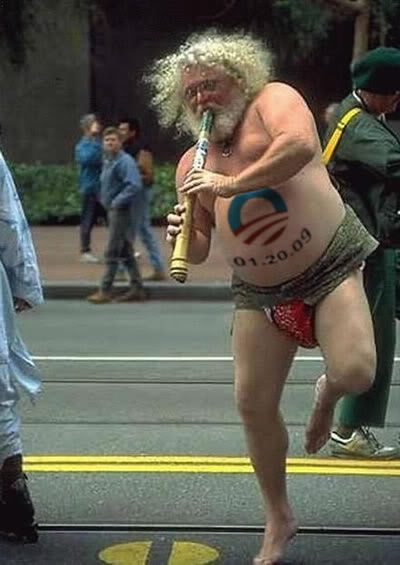
That flute pic was photoshopped by hard line right wingers who just want to discredit an incredibly talented president and his brilliant supporters.
Attachments:

At a symposium in Colorado at which thoughtful people from many professions spoke, and later in conversation with people who care about books in California, two things we all know to be true became more vivid to me.
The first is that nobody is optimistic about the world economy. No one sees the Western nations righting themselves any time soon, no one sees lower unemployment coming down the pike, or fewer foreclosures. No one was burly: "Everything will be fine, snap out of it!" Everyone admitted tough times lie ahead.
The second is that everyone hungers for leadership. Really, everyone. And really, it is a hunger. They want so much to be able to respect and feel trust in their political leaders. Everyone hungers for someone strong, honest and capable—as big as the moment. But the presidential contest, the default topic when Americans gather, tended to become somewhat secondary. Underlying everything was a widespread sense among Democrats and Republicans, lefties and righties, that President Obama isn't big enough, and that we don't have to argue about this anymore. There was also a broad sense that there is no particular reason to believe any one of the Republicans is big enough, either.
Actually, I saw a third thing. There is, I think, a kind of new patriotism among our professional classes. They talk about America now and their eyes fill up. With business people and doctors and scientists, there used to be a kind of detachment, an ironic distance they held between themselves and Washington, themselves and national problems. "The future of our country" was the kind of earnest topic they wouldn't or couldn't survey without a wry smile. But now I believe I see a deep yearning to help, to do the right thing, to be part of a rebuilding, and it is a yearning based in true and absolute anxiety that we may lose this wonderful thing we were born into, this America, this brilliant golden gift.
At the end of Tennessee Williams's "The Glass Menagerie," Tom, the narrator, tells us he never stopped thinking of his sister and his mother and their sadness, for "I was more faithful than I intended to be." That, I think, is the mood taking hold among members of what used to be called the American leadership class—slightly taken aback by their love for America, by their protectiveness toward her.
The untapped patriotism out there—if it were electricity, it would remake the grid and light up the world. And it's among all professions, classes and groups, from the boardroom to the Tea Party meeting to the pediatric ICU.
We think patriotism reached its height after 9/11, but I think it is reaching some new height now, and we're only beginning to notice.
***
And here we turn to politics. Are those running for president aware of the fix we're in? I'm not sure they are. For one thing, if they knew, they wouldn't look so dementedly chipper. And they wouldn't all be talking about The Narrative. Which is all I heard once I came back East.
The Narrative has nothing to do with what is actually happening in the country. That would make too much sense. The Narrative is the story of a candidate or a candidacy, or the story of a presidency. Everyone in politics is supposed to have one. They're supposedly powerful. Voters believe them.
Everyone in politics should stop this. For one thing, a narrative is not something that can be imposed, it is something that bubbles up. It's something people perceive on their own and then talk about, and if it's true, the talk spreads.
Here I return to Ron Suskind's book, "Confidence Men." As noted last week, Mr. Suskind has been criticized for getting quotes and facts wrong. But the White House hasn't disputed his interview with Mr. Obama, who had some remarkable things to say.
It turns out he too is obsessed with The Narrative. Mr. Suskind asked him why his team had difficulty creating a policy to deal with unemployment. Mr. Obama said some of it was due to circumstances, some to the complexity of the problem. Then he added: "We didn't have a clean story that we wanted to tell against which we would measure various actions." Huh? It wasn't "clean," he explained, because "what was required to save the economy might not always match up with what would make for a good story."
Throughout the interview the president seems preoccupied with "shaping a story for the American people." He says: "The irony is, the reason I was in this office is because I told a story to the American people." But, he confesses, "that narrative thread we just lost" in his first years.
Then he asks, "What's the particular requirement of the president that no one else can do?" He answers: "What the president can do, that nobody else can do, is tell a story to the American people" about where we are as a nation and should be.
Tell a story to the American people? That's your job? Not adopting good policies? Not defending the nation? Storytelling?
The interview reflects the weird inability of so many in political leadership now to acknowledge the role in life of . . . reality.
Overthinking the obvious and focusing on the artifice and myth of politics is a problem for all political professionals, including Republicans. Sarah Palin was out there this week trying to impose her own narrative: that she's all roguey and mavericky and she'd win if she ran, but she's not sure the presidency—"the title"—wouldn't dull her special magic. It was like Norma Desmond in "Sunset Boulevard." She's still big, it's the presidency that got small.
.
But this is mostly a problem for the Democratic Party at the national level, and has been since the 1980s. It reflects a disdain for the American people—they need their little stories—and it springs from an inability to understand the Reagan era. Democrats looked at him and the speeches and the crowds and balloons and thought: "I get it, politics is now all show biz." Because they couldn't take Reagan's views and philosophy seriously, they couldn't believe anyone else could, either. So they explained him through a story. The story was that Reagan's success was due not to decisions and their outcomes but to a narrative. The narrative was "Morning in America": Everything's good, everyone's happy.
Democrats vowed to create their own narratives, their own stories.
Here's the problem: There is no story. At the end of the day, there is only reality. Things work or they don't. When they work, people notice, and say it.
Would the next president like a story? Here's one. America was anxious, and feared it was losing the air of opportunity that had allowed it to be what it was—expansive, generous, future-trusting. It was losing faith in its establishments and institutions. And someone came out of that need who led—who was wise and courageous and began to turn the ship around. And we saved our country, and that way saved the world.
There's a narrative for you, the only one that matters. Go be a hero of that story. It will get around. It will bubble up
idontlikebeingrightaboutshitlikethisbutiam
Edited 21 time(s). Last edit at 5/31/1967 05:57AM by WingNut.
Last edit at 11/30/2015 01:37PM Last edit at 5/14/2015 03:52PM Last edit at 1/28/2014 05:57AM Last edit at 11/29/2015 01:10PM Last edit at 3/14/2011 11:52PM Last edit at 7/20/2012 04:07AM
Last edit at 6/29/2013 11:18PM Last edit at 3/19/2011 01:02PM Last edit at 3/26/2012 09:07PM
Attachments:
On the economy, 90% of the solution is timing.
to despair and utter hopelessness. The other, to total extinction. Let us pray we
have the wisdom to choose correctly."
- Timothy Geithner
http://www2.macleans.ca/2011/09/19/is-obama-finished/#more-215052
idontlikebeingrightaboutshitlikethisbutiam
Edited 21 time(s). Last edit at 5/31/1967 05:57AM by WingNut.
Last edit at 11/30/2015 01:37PM Last edit at 5/14/2015 03:52PM Last edit at 1/28/2014 05:57AM Last edit at 11/29/2015 01:10PM Last edit at 3/14/2011 11:52PM Last edit at 7/20/2012 04:07AM
Last edit at 6/29/2013 11:18PM Last edit at 3/19/2011 01:02PM Last edit at 3/26/2012 09:07PM
Is Obama Overated?
For a success, Barack Obama is a very bad politician, the worst politician to win the presidency by an electoral landslide, to never lose a major election, or to rise to the presidency from a state legislature in little more than four years. He has gone from sterling campaigner to put-upon leader; from the new FDR to the next Jimmy Carter; from being the orator who could hold millions spellbound to the man who moves no one at all. The man who promised everything is delivering nothing. Journalists who wept when he won the election now grind their teeth in despair. Maureen Dowd admits he isn’t the one for whom even he had been waiting. The gap between sizzle and steak never seemed so large or alarming, and inquiring minds want to know what went wrong.
Did the prince (assuming he was one) turn into a frog? Did he use all his luck up in winning his office? Did he, once in power, see his governing skills fade away? The answers to these things are no, yes, and no. The record suggests that he was never a prince (merely a fantasy); that his luck went away once his free ride had ended; and that he had few political, that is, governing, skills to begin with, a fact that is now more than clear. In three areas at least, he appears to be lacking. Let us walk back and see what they are.
Good politicians create coalitions and then tend them carefully, draw people in from the opposite party, and make their own party (like Reagan and Roosevelt) both bigger and different than it was before. Obama inherited a coalition by chance and dismantled it during his first years in office, having never understood what it was made of, how it developed, how fragile it was, and what it would take to maintain. This coalition had formed by itself shortly after the Lehman Brothers collapse tipped the financial world into chaos in September 2008, and the election, without his having even to wiggle his fingers, fell into his open and welcoming lap. Aside from taking the rap for what was a crisis cooked up by both parties, the GOP was hit by two other strokes of bad fortune: Its nominee, John McCain, was a war hero and foreign policy maven, whose financial credentials were minimal. And the widely despised TARP bailout measure could have been fashioned on purpose to split the Republican party, which took two weeks off from the campaign against Democrats to open fire within its own ranks, laying waste to the sense that the party could govern and sending swing voters fleeing in droves.
The numbers for those days tell the whole story: Before September 15, the McCain/Palin ticket was leading Obama and Biden by two to three points in most national polls; within days, it was trailing by five, and then six. Before September 15, states like Ohio and Florida had been trending in McCain’s direction; after it, they swung back to the Democrats’ side. Weeks later, Obama beat John McCain by a spread of 53-46 percent, the widest popular-vote margin for a Democrat since Lyndon B. Johnson crushed Barry Goldwater in 1964.
Obama captured the classic swing states of Ohio and Florida, but he also carried states, regions, and voting groups Republicans had seen for decades as their property. He won the purple/red states of Virginia, Indiana, and North Carolina; he did better with whites, and white males, than Al Gore or John Kerry; and he swept Hispanics, whose losses George W. Bush had kept to a minimum. He exploded the red and blue map of the previous decade and expanded the Democrats’ reach into unexplored country, painting large swaths of the continent blue.
MORE- http://www.weeklystandard.com/articles/overrated_594676.html
idontlikebeingrightaboutshitlikethisbutiam
Edited 21 time(s). Last edit at 5/31/1967 05:57AM by WingNut.
Last edit at 11/30/2015 01:37PM Last edit at 5/14/2015 03:52PM Last edit at 1/28/2014 05:57AM Last edit at 11/29/2015 01:10PM Last edit at 3/14/2011 11:52PM Last edit at 7/20/2012 04:07AM
Last edit at 6/29/2013 11:18PM Last edit at 3/19/2011 01:02PM Last edit at 3/26/2012 09:07PM
Is Obama really qualified?
The lack of support and love he gets is telling.
idontlikebeingrightaboutshitlikethisbutiam
Edited 21 time(s). Last edit at 5/31/1967 05:57AM by WingNut.
Last edit at 11/30/2015 01:37PM Last edit at 5/14/2015 03:52PM Last edit at 1/28/2014 05:57AM Last edit at 11/29/2015 01:10PM Last edit at 3/14/2011 11:52PM Last edit at 7/20/2012 04:07AM
Last edit at 6/29/2013 11:18PM Last edit at 3/19/2011 01:02PM Last edit at 3/26/2012 09:07PM
-------------------------------------------------------
> The lack of support and love he gets is telling.
Oh, fuck you. Just fuck you.
I'm out here dancing in the streets 7 days a week for Obama.
And no, I'm NOT getting PAID for it, asshole!!!!!!!!!!!
Click here to learn more!size>I know he is there, I just know it.
Are they like Rocky Mountain Oysters?
Ray's the Steaks should start selling fried WingNutts as an appetizer.
They understand that this makes the US appear weak and its in Japans best interest, as an ally for us to look strong.
http://abcnews.go.com/blogs/politics/2011/10/japanese-government-nixed-idea-of-obama-visiting-apologizing-for-hiroshima/
While I do agree it was an unprecedented human tragedy to have used atomic weapons on civillians, I think even the Japanese have come to terms with their role in instigating that war and I think many blame the Imperial government of that era more than America.
I seriously hope something like that never happens again.
The diplomatic implications of this are just another glaring example of Obama buffoonery. Dingle Barry is truly following the warped leftist dictates he picked up while in college.
Hay Zeus Wrote:
-------------------------------------------------------
> Obama is clueless and inept with respect to his
> foreign relations approach. Its embarrassing that
> the Japanese had to give him pointers.
>
> They understand that this makes the US appear weak
> and its in Japans best interest, as an ally for us
> to look strong.
>
>
> http://abcnews.go.com/blogs/politics/2011/10/japan
> ese-government-nixed-idea-of-obama-visiting-apolog
> izing-for-hiroshima/
idontlikebeingrightaboutshitlikethisbutiam
Edited 21 time(s). Last edit at 5/31/1967 05:57AM by WingNut.
Last edit at 11/30/2015 01:37PM Last edit at 5/14/2015 03:52PM Last edit at 1/28/2014 05:57AM Last edit at 11/29/2015 01:10PM Last edit at 3/14/2011 11:52PM Last edit at 7/20/2012 04:07AM
Last edit at 6/29/2013 11:18PM Last edit at 3/19/2011 01:02PM Last edit at 3/26/2012 09:07PM