Fairfax City :
Fairfax Underground

Welcome to Fairfax Underground, a project site designed to improve communication among residents of Fairfax County, VA. Feel free to post anything Northern Virginia residents would find interesting.
Welcome to Fairfax Underground, a project site designed to improve communication among residents of Fairfax County, VA. Feel free to post anything Northern Virginia residents would find interesting.
Anyone remember the Cool Airplane at Van Dyke Park Playground?
Posted by:
Laura
()
Date: December 11, 2010 09:16PM
I grew up in Fairfax during the 70's and wonder if anyone else out there remembers the cool 2 seater airplane that used to sit on the playground at Van Dyke Park in Fairfax. My sister and brother and I always loved playing on it. They had metal steps that you could climb to go and sit in the cockpit and you could have fun looking at all the real dials and switches. It was awesome and I fondly remember playing in it. Unfortunately over time vandals torn open the bottom of the plane and tore it apart..after awhile the park authority deemed it unsafe to play in and it was sadly removed from the park. I think it would be great to hear from anyone else who remembers playing on this airplane and if anyone has any pics of it, it would be awesome to see them. :)
Re: Anyone remember the Cool Airplane at Van Dyke Park Playground?
Posted by:
Wannabe Jet Pilot
()
Date: December 12, 2010 07:29AM
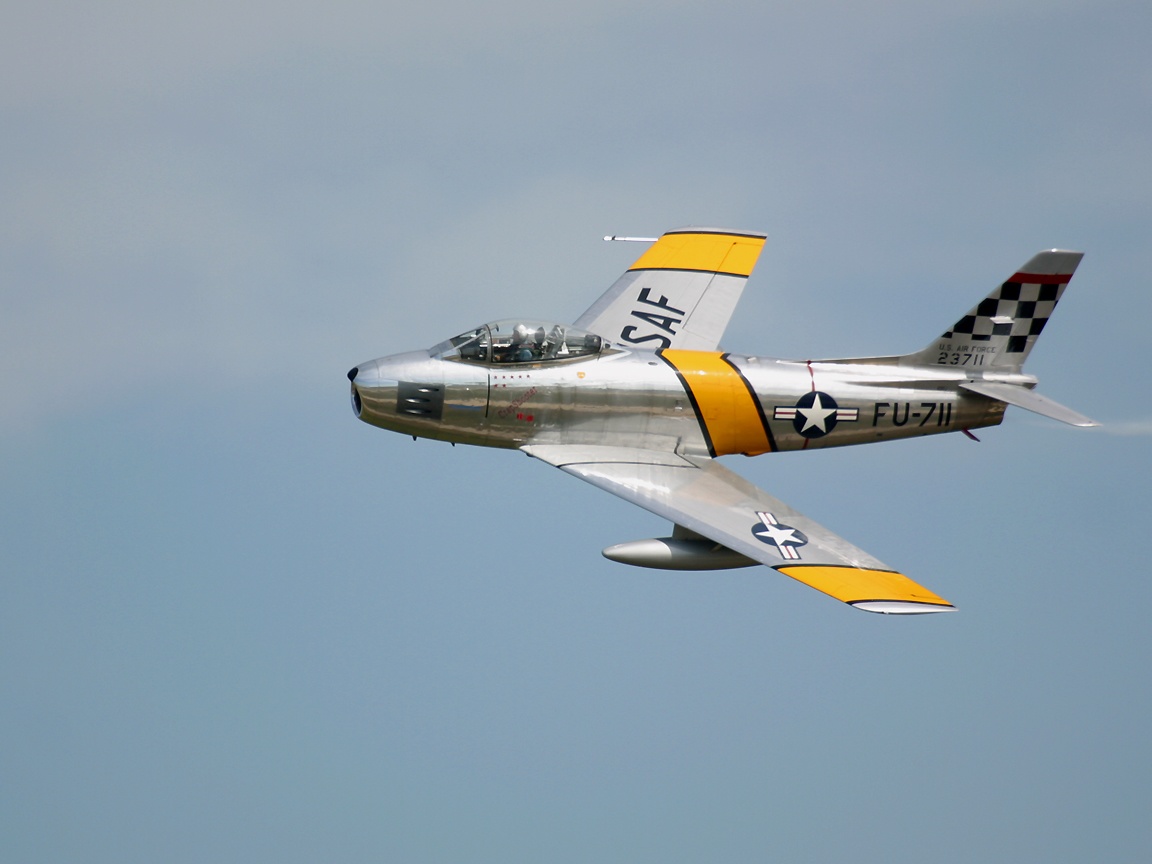
That thing was the best and, if I am not mistaken, it was an F-86. I thought it was the coolest thing ever and loved climbing all over it. Hadn't thought about that in forever.
Re: Anyone remember the Cool Airplane at Van Dyke Park Playground?
Posted by:
Wannabe Jet Pilot
()
Date: December 12, 2010 07:32AM
Couldn't find a picture of the one at the park, but did find a general picture of an F-86 here: http://www.myfreewallpapers.net/vehicles/pages/f-86-sabre.shtml
Re: Anyone remember the Cool Airplane at Van Dyke Park Playground?
Posted by:
TESTIMONIAL
()
Date: December 17, 2010 09:16AM
Vondari Racing Team Truck Finds a New Garage
So we all know winter is here, and our reports tend to be sporadic at times until the springtime. That’s just the nature of a seasonal sport.
Those of you who know the Vondari family also know that racing is what drives us and we do our best to promote motorcycle road racing in the best way that we know how.
Well, if racing is what drives us, what about what we drive? We surround ourselves with certain things that we claim “we couldn’t live without†like cell phones, computers, and cars. Cars are simply a part of the American fabric these days – for a lot of people, what we drive is what defines us. For a lot of people, too, a car is just another modern day tool that we have to rely on to make ends meet.
However you feel about your car, when was the last time you got outstanding service – the kind of service that leaves you feeling confident about your car and one less thing to worry about? That happened to me, and I really feel compelled to tell folks about this experience.
I have a lot of pet projects. My biggest one is my ’89 Suburban sittin’ on 35s. Don’t laugh, it’s my dream car. Before I committed to getting any work done on this project, just like anyone else I did my research on shops to decide where to take my baby. The main concern was finding a shop that was going to exceed my expectations, not just meet them.
What were my criteria? Passion, pride, honesty, commitment, attitude, and creativity. My main concern was that I wanted someone who was passionate about what they do. Passion is what drives our race team, passions are what drives anyone to do their best – passion is what defines us as human beings. I wanted someone who takes pride in their work and won’t settle for second best. Honest work is always needed. Are they committed to not only doing their best but being the best and standing by their work? Does the shop represent itself with a professional attitude that I would feel comfortable recommending to my mom? And for a restoration project, I want a shop full of ideas and creativity, allowing me to make my own decisions, not force me to do what everyone else does.
In short, I wanted someone that wasn’t just going to work on my dream car but someone who would invest themselves in the project, who can claim part ownership of it – meaning that it’s my truck, but it’s also theirs in a way when it’s at the shop.
I ended up at Bubbas East Coast Rods and Customs. My time there was nothing less than stellar. I witnessed one of the most professional set-ups as a whole that I have seen in a long time shop – clean, free of debris and possible hazards. Professional appearance of the technicians, great professional attitude. I even caught them paying attention to the little details by wiping down finger prints and polishing up the bits that nobody will probably ever see. That’s going the extra mile. The staff was patient, understanding, and able to communicate clearly any complex problems and procedures.
As for the cars? Man they were awesome. By far some of the cleanest I’ve ever seen, inside and out.
I know Vondari Racing is all about motorcycle road racing, and that will never change because that’s our passion. But because of my experience at Bubbas and what I’ve personally seen there, I’m posting this up because I really feel that everyone should have a shop or garage that they can trust and that has their best interests in mind.
So either mild or wild, the next time you need help with your car give Bubbas a call, or better yet stop by and check them out.
Cheers,
Constantine
So we all know winter is here, and our reports tend to be sporadic at times until the springtime. That’s just the nature of a seasonal sport.
Those of you who know the Vondari family also know that racing is what drives us and we do our best to promote motorcycle road racing in the best way that we know how.
Well, if racing is what drives us, what about what we drive? We surround ourselves with certain things that we claim “we couldn’t live without†like cell phones, computers, and cars. Cars are simply a part of the American fabric these days – for a lot of people, what we drive is what defines us. For a lot of people, too, a car is just another modern day tool that we have to rely on to make ends meet.
However you feel about your car, when was the last time you got outstanding service – the kind of service that leaves you feeling confident about your car and one less thing to worry about? That happened to me, and I really feel compelled to tell folks about this experience.
I have a lot of pet projects. My biggest one is my ’89 Suburban sittin’ on 35s. Don’t laugh, it’s my dream car. Before I committed to getting any work done on this project, just like anyone else I did my research on shops to decide where to take my baby. The main concern was finding a shop that was going to exceed my expectations, not just meet them.
What were my criteria? Passion, pride, honesty, commitment, attitude, and creativity. My main concern was that I wanted someone who was passionate about what they do. Passion is what drives our race team, passions are what drives anyone to do their best – passion is what defines us as human beings. I wanted someone who takes pride in their work and won’t settle for second best. Honest work is always needed. Are they committed to not only doing their best but being the best and standing by their work? Does the shop represent itself with a professional attitude that I would feel comfortable recommending to my mom? And for a restoration project, I want a shop full of ideas and creativity, allowing me to make my own decisions, not force me to do what everyone else does.
In short, I wanted someone that wasn’t just going to work on my dream car but someone who would invest themselves in the project, who can claim part ownership of it – meaning that it’s my truck, but it’s also theirs in a way when it’s at the shop.
I ended up at Bubbas East Coast Rods and Customs. My time there was nothing less than stellar. I witnessed one of the most professional set-ups as a whole that I have seen in a long time shop – clean, free of debris and possible hazards. Professional appearance of the technicians, great professional attitude. I even caught them paying attention to the little details by wiping down finger prints and polishing up the bits that nobody will probably ever see. That’s going the extra mile. The staff was patient, understanding, and able to communicate clearly any complex problems and procedures.
As for the cars? Man they were awesome. By far some of the cleanest I’ve ever seen, inside and out.
I know Vondari Racing is all about motorcycle road racing, and that will never change because that’s our passion. But because of my experience at Bubbas and what I’ve personally seen there, I’m posting this up because I really feel that everyone should have a shop or garage that they can trust and that has their best interests in mind.
So either mild or wild, the next time you need help with your car give Bubbas a call, or better yet stop by and check them out.
Cheers,
Constantine
Re: Anyone remember the Cool Airplane at Van Dyke Park Playground?
Posted by:
Laura
()
Date: December 19, 2010 01:19AM
Hey Wannabe Jet Pilot,
Thanks for your comments..and for sending the pic of the F86!! It was great to see and it brought back some very happy childhood memories! Glad to hear other people out there still remember that old airplane as fondly as I do.
Thanks a bunch for your comments and for sending the pic!
Happy Holidays!
Laura :)
Thanks for your comments..and for sending the pic of the F86!! It was great to see and it brought back some very happy childhood memories! Glad to hear other people out there still remember that old airplane as fondly as I do.
Thanks a bunch for your comments and for sending the pic!
Happy Holidays!
Laura :)
Re: Anyone remember the Cool Airplane at Van Dyke Park Playground?
Posted by:
Photo Search
()
Date: December 19, 2010 08:03AM
http://ask.metafilter.com/14293/Help-me-find-old-military-hardware-on-playgrounds
>>> "When I was a kid, my playground (Van Dyke Park in Northern, VA) had a
>>> decomissioned military jet (T-133) in the playground..."

[that image is NOT from Van Dyck Park, BTW]
Kinda different than a f86:
>>> "When I was a kid, my playground (Van Dyke Park in Northern, VA) had a
>>> decomissioned military jet (T-133) in the playground..."
[that image is NOT from Van Dyck Park, BTW]
Kinda different than a f86:
Re: Anyone remember the Cool Airplane at Van Dyke Park Playground?
Posted by:
embarrassed
()
Date: March 09, 2011 06:23PM
I was the one responsible for the plane leaving.....my mom sent me up into the thing after my brother .....and I got stuck inside of it . Vandals didn't cut it open .....the fire dept did. The plane was sitting such that the tail was near the ground so kids could climb into it and look out the nose. Inside was a fairly large smooth sheetmetal cavity . It was unfortunately too tight for me as I turned around to climb down and I got hung up . Was just a kid and still get the willies in elevators that remain shut too long or in other tight spaces.
Name withheld out of embarrasment .....
Name withheld out of embarrasment .....
Re: Anyone remember the Cool Airplane at Van Dyke Park Playground?
Posted by:
Bridget
()
Date: December 14, 2011 08:54PM
I LOVED playing in that! The hole in the bottom was there the whole time I went to John C. Wood, or until 78 or 79. I can't believe they let us play in that thing! Wish someone had a pic!
Re: Anyone remember the Cool Airplane at Van Dyke Park Playground?
Posted by:
Yo Daddio
()
Date: January 31, 2012 11:43AM
I remember that. Also, there was one a lot like it at Cabin John Park over in Maryland.
Re: Anyone remember the Cool Airplane at Van Dyke Park Playground?
Posted by:
Mark T.
()
Date: December 26, 2012 02:56PM
I thought it was a bigger plane, a B-47 ? My memory is fuzzy on that, but I do remember the sharp pieces of aluminum. I too, crawled inside of it. THere was also the rocket ship slide next to it, with the stairs that went to the cone at the top.
Hey Bridget - I went to J.C. Wood also from 76-77. Had Mr. Strouth for 6th grade.
Mark
Hey Bridget - I went to J.C. Wood also from 76-77. Had Mr. Strouth for 6th grade.
Mark
Re: Anyone remember the Cool Airplane at Van Dyke Park Playground?
Posted by:
ffx old timer
()
Date: April 06, 2013 05:49AM
I remember the jet. I think it was placed there about 1969/70.
I also went to JC Wood and had Mr Strouth for 6th Grade 67-68.
We used to like to make fun of his full name; Clester Leroy Strouth.
He was one of the better teachers.
I also went to JC Wood and had Mr Strouth for 6th Grade 67-68.
We used to like to make fun of his full name; Clester Leroy Strouth.
He was one of the better teachers.
Re: Anyone remember the Cool Airplane at Van Dyke Park Playground?
Posted by:
Fairfax City 1
()
Date: April 07, 2013 07:42PM
I also had Mr. Stroooouth (best deep southern draw)in sixth grade. I never got the vulcan nerve pinch for misbehavior though.
I would place the plane being installed in the park around 1972 or 1973. I remember peeking out the window on a snowy day wondering what they were doing. There was a rocket next to the plane and we would go out for recess and play there.
I would place the plane being installed in the park around 1972 or 1973. I remember peeking out the window on a snowy day wondering what they were doing. There was a rocket next to the plane and we would go out for recess and play there.
Re: Anyone remember the Cool Airplane at Van Dyke Park Playground?
Posted by:
80s kid
()
Date: June 05, 2013 11:54AM
I only have a fuzzy memory of the plane, I think I was real little when it was there. However, I have clear memories of the rocket that was there about the same time. The rocket was my favorite, but I remember going all the way to the top was a little scary because it would wobble a little if you tried to shake the rocket. Not at Van Dyke Park, but I recently found photos and stories of the dinosaur in front the Smithsonian Natural History Museum that you could climb. I really loved that dinosaur and we would go into D.C. at least once a summer to see the Smithsonian museums. I found out the dinosaur has a name, Uncle Beazley, and is still around, its now in the National Zoo, but you can't climb on it anymore. Oh for the days of when you could climb on stuff and play in the street.
https://www.google.com/search?q=uncle+beazley+smithsonian&tbm=isch&tbo=u&source=univ&sa=X&ei=gz-vUfuEMMTp0AGEvIGICw&ved=0CHAQsAQ&biw=1440&bih=775#facrc=_&imgrc=V594DbBPqc83EM%3A%3BHDXBnNqoo_Sl9M%3Bhttp%253A%252F%252Ffarm4.staticflickr.com%252F3149%252F2549302619_bbb8f24afb_z.jpg%3Bhttp%253A%252F%252Fwww.flickr.com%252Fphotos%252Fthemosleyvault%252F2549302619%252F%3B640%3B456
http://www.npr.org/blogs/pictureshow/2011/02/16/133806945/uncle-beazley-is-on-the-move
Attachments:

https://www.google.com/search?q=uncle+beazley+smithsonian&tbm=isch&tbo=u&source=univ&sa=X&ei=gz-vUfuEMMTp0AGEvIGICw&ved=0CHAQsAQ&biw=1440&bih=775#facrc=_&imgrc=V594DbBPqc83EM%3A%3BHDXBnNqoo_Sl9M%3Bhttp%253A%252F%252Ffarm4.staticflickr.com%252F3149%252F2549302619_bbb8f24afb_z.jpg%3Bhttp%253A%252F%252Fwww.flickr.com%252Fphotos%252Fthemosleyvault%252F2549302619%252F%3B640%3B456

http://www.npr.org/blogs/pictureshow/2011/02/16/133806945/uncle-beazley-is-on-the-move
Attachments:
Re: Anyone remember the Cool Airplane at Van Dyke Park Playground?
Posted by:
Danville Resident in Burke
()
Date: August 02, 2014 02:34AM
I Hate That Park! My family decided to Have a Nice Picnic at Van Dyke Park. We went and it was Filled with Indians Arabs and Mexicans... We found a couple of Picnic Tables under the Large Picnic Area/roof by the Playground... A Mexican Came and told us to Leave cause he "rented" the place out for a Fiesta and we left.. We ended up sitting In a Gazebo by the Tennis Court, It was quiet, Down the hill, there were 500-900 Arabs Having a "Family Picnic" and there was loud music and cars and I sure did see a sign that said no Cars Allowed.. I decided to go to the Playground (by the skate park) It was nice, The Picnic area was half filled and I just let that slide. I heard cursing from Teenagers and I also saw at Least 5 kids get Hurt from the Circle Spinning thing, 150 Immigrants Crammed into that thing that could hold 10 people that got pushed by 5 Teenage Boys that didn't Give A Fuck... Hated it there..
Re: Anyone remember the Cool Airplane at Van Dyke Park Playground?
Posted by:
FRS
()
Date: August 05, 2014 02:56PM
Well, that about sums up what Fairfax and that entire area has become. I have fond memories of growing up in NOVA, greatly enjoyed the stories of plane and the rocket slide that I remember spending many hours playing on and in. I go back to the area for meetings now and it really breaks my heart how over developed it has become....lord they have even overrun Leesburg, Gainesville and Warrenton with the building and sprawl. So glad someone remembered the jet....I found this blog doing a search about that plane! Times may change but the memories are very sweet.
Re: Anyone remember the Cool Airplane at Van Dyke Park Playground?
Posted by:
Vlb
()
Date: October 13, 2015 05:02PM
I'm so glad I found this post. I too remember the plane and rocketship slide.
Although I never got to go down the slide. My older brothers (8 yrs older). Would shake and rattle the thing and I was too scared. I also never went I to the tube part of plane although I always wished I did. I guess I was anywhere from 4-8 when I went the most. Back in 70s. But growing up in NOVA there are so many things I remember.
I've lived in AZ since 85 and am planning a trip back in the next few years. And was wondering if the plane was s there to take a pic by it.
Thanks for posting what happened to it.
Although I never got to go down the slide. My older brothers (8 yrs older). Would shake and rattle the thing and I was too scared. I also never went I to the tube part of plane although I always wished I did. I guess I was anywhere from 4-8 when I went the most. Back in 70s. But growing up in NOVA there are so many things I remember.
I've lived in AZ since 85 and am planning a trip back in the next few years. And was wondering if the plane was s there to take a pic by it.
Thanks for posting what happened to it.
Re: Anyone remember the Cool Airplane at Van Dyke Park Playground?
Posted by:
Playground pilot
()
Date: October 16, 2016 06:11PM
I too fondly remember both the plane and the rocket. As someone else already said, the plane was a two-seater, a trainer, a T33 maybe. It had two control sticks, which of course moved together. They probably should have disconnected the sticks from each other. One reason was, if a kid was in each seat, there would often be a struggle for control of the sticks. Another reason was there was a mean thing you could do: push the stick all the way forward, wait a little bit for the other kid to get bored, and start playing with the cool dials maybe, and then you suddenly pull back on the stick hard as you can and maybe catch the other kid leaning forward, and he gets smacked in the face with his stick.
Re: Anyone remember the Cool Airplane at Van Dyke Park Playground?
Posted by:
BombSquad
()
Date: March 06, 2017 08:48PM
I was at the park one night hanging out with my friends, sometime in the mid 70's, when a car pulled in and parked. 2 guys got out and went up to the plane and spent a few minutes there. they then got in their car and drove to the entrance to the park and just sat there. we went over to the plane where they were fooling around. once we got up to the plane we could see smoke coming out of the little hole on the side. we thought they had set a fire, but when we looked inside, there was a fuse in a jar burning. we remembered having a pair of scissors in the car, since we had been working on the car earlier in the day. someone ran back and cut the fuse. we then jumped in the car and chased it down towards Fairfax high school, while someone else called the police. unfortunately, the car we were chasing was the same model as ours so the police ended up pulling us over and the other car got away. the police came and took the bomb but thought we were just playing around. even though we personally knew some of the Fairfax city police, they didn't believe us so didn't pursue it any. we search all the apartments at Fairfax circle and later found the car, but city police still didn't believe us, so that was the end of the story. sadly if the bomb had gone off it would have been in the papers and a completely different story.
Re: Anyone remember the Cool Airplane at Van Dyke Park Playground?
Posted by:
Bill 67
()
Date: May 21, 2017 07:45PM
T-33A, according to city records:
http://www.fairfaxva.gov/government/parks-recreation/parks-trails-and-fields/park-projects/van-dyke-master-plan/history-of-van-dyck-park
With pic of the actual plane.
Disappointing to see the bigots, bullies, and conspiracy theorists -- and their self adulation -- so prominent in the responses here. I left Fairfax for a lower cost of living in 1993. Looks like I missed out on a decidedly negative turn in the public attitude of Fairfax City dwellers that has taken place as well.
I mean, there was always a lot of hostility toward African Americans in those living in Fairfax City and points west. Looks like that barely under the surface bigotry has not only broken the surface (as it were), but broadened to include all those of brown skin. :(
http://www.fairfaxva.gov/government/parks-recreation/parks-trails-and-fields/park-projects/van-dyke-master-plan/history-of-van-dyck-park
With pic of the actual plane.
Disappointing to see the bigots, bullies, and conspiracy theorists -- and their self adulation -- so prominent in the responses here. I left Fairfax for a lower cost of living in 1993. Looks like I missed out on a decidedly negative turn in the public attitude of Fairfax City dwellers that has taken place as well.
I mean, there was always a lot of hostility toward African Americans in those living in Fairfax City and points west. Looks like that barely under the surface bigotry has not only broken the surface (as it were), but broadened to include all those of brown skin. :(
Re: Anyone remember the Cool Airplane at Van Dyke Park Playground?
Posted by:
Former Down And Out
()
Date: July 21, 2017 01:02PM
Actually it isn't brown people at all,most resident of Fairfax city are elitist as fuck and look down their upturned noses at anyone they deem an inferior. The so-called "Christians" there were the seed of doubt that caused me ultimately to leave the faith,as I couldn't put belief in a system where the followers were "faithful" one hour a week while they gossiped and compared clothing,and then on Monday went right back to being self-centered,indulgent,judgemental pieces of shit. Fairfax was my home and there's things I miss sometimes,but 99% of the people and the greed are not among them and I'm glad I got the hell out of there.
sounds like
Posted by:
the future
()
Date: July 28, 2017 06:23AM
Former Down And Out Wrote:
-------------------------------------------------------
> Actually it isn't brown people at all,most
> resident of Fairfax city are elitist as fuck and
> look down their upturned noses at anyone they deem
> an inferior. The so-called "Christians" there were
> the seed of doubt that caused me ultimately to
> leave the faith,as I couldn't put belief in a
> system where the followers were "faithful" one
> hour a week while they gossiped and compared
> clothing,and then on Monday went right back to
> being self-centered,indulgent,judgemental pieces
> of shit. Fairfax was my home and there's things I
> miss sometimes,but 99% of the people and the greed
> are not among them and I'm glad I got the hell out
> of there.
Sounds like changed happened.. We didnt need you here.. let alone you just couldnt keep up with the Jones'. Maybe you should not have layed off the pipe.
We are better without you anyway. Peace.
-------------------------------------------------------
> Actually it isn't brown people at all,most
> resident of Fairfax city are elitist as fuck and
> look down their upturned noses at anyone they deem
> an inferior. The so-called "Christians" there were
> the seed of doubt that caused me ultimately to
> leave the faith,as I couldn't put belief in a
> system where the followers were "faithful" one
> hour a week while they gossiped and compared
> clothing,and then on Monday went right back to
> being self-centered,indulgent,judgemental pieces
> of shit. Fairfax was my home and there's things I
> miss sometimes,but 99% of the people and the greed
> are not among them and I'm glad I got the hell out
> of there.
Sounds like changed happened.. We didnt need you here.. let alone you just couldnt keep up with the Jones'. Maybe you should not have layed off the pipe.
We are better without you anyway. Peace.
Re: Anyone remember the Cool Airplane at Van Dyke Park Playground?
Posted by:
Darrell Hale
()
Date: May 26, 2025 03:24AM
I went to the J.C. Wood elementary school located next to the Van Dyke Park. This school, which was eventually converted into a police station, and then demolished to make way for the Stacy C. Sherwood Community Center, was on the South-West side of the park, and on the opposite side of the park from the Catholic Church and School buildings.
We lived on Brookwood Drive (North side of Old Lee Highway) about 0.6 miles from the school, meaning I lived close enough to walk to and from school most days. As a kid I thought it was weird to walk past the Catholic school, the park, the much larger Daniels Run Elementary School on the south side of Old Lee Highway, and watch busses passing by me while I was having to walk to and from school.
I was born September of 1967, and was at J.C. Wood for 1st and 2nd grades before we moved to Vienna (and thus a new school). I do remember the temporary classroom relocation to the high school for some reason (ie: the 'about 1977 frozen pipe incident' described at the following website). So I would have been around 10 at that time. This website has some info and photos of J.C. Wood, why it came into being, and has explained some things I never understood as a kid why our school was separate from the other school on the other side of the road:
https://www.fcps.edu/about-fcps/history/closed/wood
As mentioned, the classrooms all opened to outside sidewalks under an overhanging roof, which meant we could still be exposed to bad weather. Not mentioned was that the front and back set of classrooms were separated by an inner coatroom/storage room. A door at one end of this middle space opened into one classroom, and another door at the other end opened into the other classroom. Some benches, hooks, and cabinets along the walls of the coatroom was where students could store rain coats, jackets, shoes, etc depending on weather conditions outside. I always knew this building feature was different from a normal building, but did not recognize this open outdoor walkway concept until seeing Southern California type schools in TV shows and movies. I guess Fairfax City wanted to see if our weather was equivalent to that of sunny California. I don't recall it specifically, but if bad weather was blowing into one side of the building, the 2 teachers sharing a coatroom would probably coordinate with each other to move their students from the 2 classrooms out the side that was not getting hammered as bed with the weather to and from other parts of the buildings (cafeteria/gym/library/etc).
From the school we could walk over to the park in a few minutes (definitely under 5 min). The plane, monkey bars, and water fountain were the closest to the school, then the rest of the playground further away, and the large bowl-shaped hill leading down to the open, flat field surrounded by woods the farthest away. I don't remember anyone being allowed to go into the wooded area beyond that large field, and we never had any interaction with anyone from the Catholic school. I don't remember any of the trees, tennis courts, or newer picnic building in the modern photos that are now near the parking lot area for the park.
The T-33A plane itself was a 70's playground safety disaster waiting to happen, which means it was a blast to play in and on.
You could get into one half of the open cockpit easily (I think it was the front seat) using a permanent ladder. But then you could make the tricky climb into the other half and sit in that seat. From the ground, you could easily climb up onto the wings (this version did not have the wingtip tanks installed). From the top of the wing, you could then climb to the top of the fuselage behind the cockpit canopy. The canopy was permanently left in the open position, so getting directly from inside the cockpit to the top of the fuselage behind the canopy was not really possible. Once on the top of the plane's body, only the bravest would start moving backwards towards the tail, as the further back you went the higher and more dangerous the overall feeling of falling directly to the ground below. You also ran out of easy places to hold on to if you really wanted to get out onto the tail section. Sliding off the very top back onto the wing near the front of the wing was a short and gentle drop, but it became a longer/steeper/faster slide towards the back of the wing. And if you messed up your slide, you would probably bounce off the wing and still hit the ground behind the wing.
Under the plane I thought there was a bomb bay opening (because all fighter planes have a bomb bay, right???). But in hindsight it was likely just a large maintenance access point into the rear avionics bay located in front of the jet engine. There was no direct connection between this interior space and the cockpit. The engine and most of the avionics had been removed, but enough electronic cables and control wires were left in the belly of the aircraft to keep your imagination busy. Took me a long time to realize that fairly open interior space (ie: "open" for a small 10 year old kid) would have in fact been packed full if the engine and other equipment was still installed.
As some else said, the linked control sticks would mean that you could be fighting another kid for "control" of the plane, or just as likely smack one kid unexpectantly with the stick between their legs when the other kid started slamming it around from the other seat. Eventually I think the rear stick was removed and the ball socket joint covered over with a leather-like flap (probably to stop the self-inflicted pain issue). Many of the control panels full of switches, knobs, and various flight instruments were left in the cockpit. So there was still plenty of stuff to flip and twist back and forth while pretending to be flying.
I definitely saw the ongoing vandalism happening to the plane. In many places it looked almost like it had been beat up with battle damage (most likely prybars, hammers, and screwdrivers beating on the aircraft). Some of the new holes were large enough to need many bright and shiny new aluminum patches of decent size (ie: a few inches tall and long) newly riveted to the skin of the airplane. This looked like flight-worthy repairs as best I could tell as a kid (likely repaired by actual airplane techs with fuselage repair experience).
This skin damage actually bit me once, I was sitting on top of the airplane, and planning to slide down the longer part to land at the back of the wing. Think mini playground slide. About halfway down I felt something bite me in the butt along with cloth ripping. One of the edges of a vandalized hole had left a sharp edge of the skin slightly bent outward enough to form a tiny but sharp metal hook. As I was sliding across the skin, this hook nearly ripped my back pants pocket completely off. It completely destroyed the pocket and left most of that cloth flapping in the breeze. The "bite" I had felt was the metal hook sliding across the inner cloth layer of the main pant leg under the pocket, but not enough to actually cut through that layer. That is what saved my butt cheek from getting sliced open as well. After that incident, I was always paying extra attention to random sharp edges anywhere on the aircraft.
While the fire department cutting into the airplane to free a trapped kid may have been the final straw for the park managers leaving an unsupervised plane sitting in the park, the ongoing vandalism over a long period of time was definitely a big contributing factor to the eventual demise of the planes. While it was still there when we moved to a new town, it seems it did not last long after that.
I can't read this old Mar 17, 1977 article from The Washington Post since it is behind a paywall.
https://www.google.com/url?sa=t&rct=j&q=&esrc=s&source=web&cd=&cad=rja&uact=8&ved=2ahUKEwjguLqSrsCNAxX-KVkFHfVHBFQQFnoECAwQAQ&url=https%3A%2F%2Fwww.washingtonpost.com%2Farchive%2Flocal%2F1977%2F03%2F18%2Fparks-jets-vandalized-to-be-scrapped%2Fa43d85ec-d82f-43c2-871a-760ddaac2ee7%2F&usg=AOvVaw1TY0OZGDEHhNH95DtMy_XV&opi=89978449
But the title and a glimpse of the article says enough.
"Park's Jets Vandalized, to Be Scrapped
Mar 17, 1977 — City works crews have to be sent to repair the two T-33A planes at Van Dyck and Providence parks at least once or twice a month, Becker said."
Before the paywall popped up, I saw a comment that the two planes were only there about 5 years before the decision to remove them due to the damage.
Seems this is why we can't have nice things left outside in an open public space.
It is a shame that the only photo I can find of either plane is the one at the Van Dyke park. I would love to see better close up details, especially of the cockpit and interior engine compartment areas. As it is, it only appears as a distant background to kids playing on the merry-go-round and see-saws at this website:
https://www.fairfaxva.gov/government/parks-recreation/parks-and-trails/park-projects/van-dyck-master-plan/history-of-van-dyck-park
This aircraft on display in Ohio has a lot of good pictures from different angles. For example, you can see how the thin sharp edge angling upwards just in front of the tail section would make climbing out onto the tail area difficult. I saw a few kids make it out there, but I never tried it myself.
https://www.flickr.com/photos/sixbyfire/albums/72157655032559119/with/19226936229
Adding a photo of the 2 seater plane in flight, one with the canopy open on the ground, and a drawing showing where the major parts of the plane were located.
Attachments:


We lived on Brookwood Drive (North side of Old Lee Highway) about 0.6 miles from the school, meaning I lived close enough to walk to and from school most days. As a kid I thought it was weird to walk past the Catholic school, the park, the much larger Daniels Run Elementary School on the south side of Old Lee Highway, and watch busses passing by me while I was having to walk to and from school.
I was born September of 1967, and was at J.C. Wood for 1st and 2nd grades before we moved to Vienna (and thus a new school). I do remember the temporary classroom relocation to the high school for some reason (ie: the 'about 1977 frozen pipe incident' described at the following website). So I would have been around 10 at that time. This website has some info and photos of J.C. Wood, why it came into being, and has explained some things I never understood as a kid why our school was separate from the other school on the other side of the road:
https://www.fcps.edu/about-fcps/history/closed/wood
As mentioned, the classrooms all opened to outside sidewalks under an overhanging roof, which meant we could still be exposed to bad weather. Not mentioned was that the front and back set of classrooms were separated by an inner coatroom/storage room. A door at one end of this middle space opened into one classroom, and another door at the other end opened into the other classroom. Some benches, hooks, and cabinets along the walls of the coatroom was where students could store rain coats, jackets, shoes, etc depending on weather conditions outside. I always knew this building feature was different from a normal building, but did not recognize this open outdoor walkway concept until seeing Southern California type schools in TV shows and movies. I guess Fairfax City wanted to see if our weather was equivalent to that of sunny California. I don't recall it specifically, but if bad weather was blowing into one side of the building, the 2 teachers sharing a coatroom would probably coordinate with each other to move their students from the 2 classrooms out the side that was not getting hammered as bed with the weather to and from other parts of the buildings (cafeteria/gym/library/etc).
From the school we could walk over to the park in a few minutes (definitely under 5 min). The plane, monkey bars, and water fountain were the closest to the school, then the rest of the playground further away, and the large bowl-shaped hill leading down to the open, flat field surrounded by woods the farthest away. I don't remember anyone being allowed to go into the wooded area beyond that large field, and we never had any interaction with anyone from the Catholic school. I don't remember any of the trees, tennis courts, or newer picnic building in the modern photos that are now near the parking lot area for the park.
The T-33A plane itself was a 70's playground safety disaster waiting to happen, which means it was a blast to play in and on.
You could get into one half of the open cockpit easily (I think it was the front seat) using a permanent ladder. But then you could make the tricky climb into the other half and sit in that seat. From the ground, you could easily climb up onto the wings (this version did not have the wingtip tanks installed). From the top of the wing, you could then climb to the top of the fuselage behind the cockpit canopy. The canopy was permanently left in the open position, so getting directly from inside the cockpit to the top of the fuselage behind the canopy was not really possible. Once on the top of the plane's body, only the bravest would start moving backwards towards the tail, as the further back you went the higher and more dangerous the overall feeling of falling directly to the ground below. You also ran out of easy places to hold on to if you really wanted to get out onto the tail section. Sliding off the very top back onto the wing near the front of the wing was a short and gentle drop, but it became a longer/steeper/faster slide towards the back of the wing. And if you messed up your slide, you would probably bounce off the wing and still hit the ground behind the wing.
Under the plane I thought there was a bomb bay opening (because all fighter planes have a bomb bay, right???). But in hindsight it was likely just a large maintenance access point into the rear avionics bay located in front of the jet engine. There was no direct connection between this interior space and the cockpit. The engine and most of the avionics had been removed, but enough electronic cables and control wires were left in the belly of the aircraft to keep your imagination busy. Took me a long time to realize that fairly open interior space (ie: "open" for a small 10 year old kid) would have in fact been packed full if the engine and other equipment was still installed.
As some else said, the linked control sticks would mean that you could be fighting another kid for "control" of the plane, or just as likely smack one kid unexpectantly with the stick between their legs when the other kid started slamming it around from the other seat. Eventually I think the rear stick was removed and the ball socket joint covered over with a leather-like flap (probably to stop the self-inflicted pain issue). Many of the control panels full of switches, knobs, and various flight instruments were left in the cockpit. So there was still plenty of stuff to flip and twist back and forth while pretending to be flying.
I definitely saw the ongoing vandalism happening to the plane. In many places it looked almost like it had been beat up with battle damage (most likely prybars, hammers, and screwdrivers beating on the aircraft). Some of the new holes were large enough to need many bright and shiny new aluminum patches of decent size (ie: a few inches tall and long) newly riveted to the skin of the airplane. This looked like flight-worthy repairs as best I could tell as a kid (likely repaired by actual airplane techs with fuselage repair experience).
This skin damage actually bit me once, I was sitting on top of the airplane, and planning to slide down the longer part to land at the back of the wing. Think mini playground slide. About halfway down I felt something bite me in the butt along with cloth ripping. One of the edges of a vandalized hole had left a sharp edge of the skin slightly bent outward enough to form a tiny but sharp metal hook. As I was sliding across the skin, this hook nearly ripped my back pants pocket completely off. It completely destroyed the pocket and left most of that cloth flapping in the breeze. The "bite" I had felt was the metal hook sliding across the inner cloth layer of the main pant leg under the pocket, but not enough to actually cut through that layer. That is what saved my butt cheek from getting sliced open as well. After that incident, I was always paying extra attention to random sharp edges anywhere on the aircraft.
While the fire department cutting into the airplane to free a trapped kid may have been the final straw for the park managers leaving an unsupervised plane sitting in the park, the ongoing vandalism over a long period of time was definitely a big contributing factor to the eventual demise of the planes. While it was still there when we moved to a new town, it seems it did not last long after that.
I can't read this old Mar 17, 1977 article from The Washington Post since it is behind a paywall.
https://www.google.com/url?sa=t&rct=j&q=&esrc=s&source=web&cd=&cad=rja&uact=8&ved=2ahUKEwjguLqSrsCNAxX-KVkFHfVHBFQQFnoECAwQAQ&url=https%3A%2F%2Fwww.washingtonpost.com%2Farchive%2Flocal%2F1977%2F03%2F18%2Fparks-jets-vandalized-to-be-scrapped%2Fa43d85ec-d82f-43c2-871a-760ddaac2ee7%2F&usg=AOvVaw1TY0OZGDEHhNH95DtMy_XV&opi=89978449
But the title and a glimpse of the article says enough.
"Park's Jets Vandalized, to Be Scrapped
Mar 17, 1977 — City works crews have to be sent to repair the two T-33A planes at Van Dyck and Providence parks at least once or twice a month, Becker said."
Before the paywall popped up, I saw a comment that the two planes were only there about 5 years before the decision to remove them due to the damage.
Seems this is why we can't have nice things left outside in an open public space.
It is a shame that the only photo I can find of either plane is the one at the Van Dyke park. I would love to see better close up details, especially of the cockpit and interior engine compartment areas. As it is, it only appears as a distant background to kids playing on the merry-go-round and see-saws at this website:
https://www.fairfaxva.gov/government/parks-recreation/parks-and-trails/park-projects/van-dyck-master-plan/history-of-van-dyck-park
This aircraft on display in Ohio has a lot of good pictures from different angles. For example, you can see how the thin sharp edge angling upwards just in front of the tail section would make climbing out onto the tail area difficult. I saw a few kids make it out there, but I never tried it myself.
https://www.flickr.com/photos/sixbyfire/albums/72157655032559119/with/19226936229
Adding a photo of the 2 seater plane in flight, one with the canopy open on the ground, and a drawing showing where the major parts of the plane were located.
Attachments:
Concord Flyby - was Re: Anyone remember the Cool Airplane at Van Dyke Park Playground?
Posted by:
Darrell Hale
()
Date: May 26, 2025 04:12AM
Looks like the 3 photos in my last message didn't work. I will try again as a single picture attachment, and three direct links to the web to see if that works instead.
https://upload.wikimedia.org/wikipedia/commons/9/9c/Arctic_Thunder_160729-F-YH552-021_-_edit1.jpg
https://media.defense.gov/2013/Jul/17/2000703526/1200/1200/0/120706-Z-CM403-001.JPG
https://www.flickr.com/photos/88160313@N03/26421128782/in/photostream/
- - - - - -
On a completely different aircraft topic, does anyone else remember seeing the flyby of the brand-new Concord as it made a fairly low-level pass behind the school?
Per this article, "The first transatlantic Concorde flight arrived at Dulles Airport in 1976 to much fanfare."
https://en.wikipedia.org/wiki/Concorde#:~:text=Concorde%20002%20made%20the%20first,to%20mark%20the%20airport%27s%20opening.
"Concorde 002 made the first visit to the United States in 1973, landing at Dallas/Fort Worth Regional Airport to mark the airport's opening."
As I recall, they were doing some non-standard flying near the airport to allow the locals on the ground to see the new plane in action for themselves. The teachers apparently knew when to take everyone outside to look for the plane. I can still recall the right to left pass behind the school as it flew by.
The weather, height, distance, and lighting for that Concord would have made a picture-perfect shot had anyone actually had a camera with them. (No kids, we didn't have any cell phone cameras back in 1976. Actually, no electronic cameras at all, just film cameras...)
Attachments:

https://upload.wikimedia.org/wikipedia/commons/9/9c/Arctic_Thunder_160729-F-YH552-021_-_edit1.jpg

https://media.defense.gov/2013/Jul/17/2000703526/1200/1200/0/120706-Z-CM403-001.JPG

https://www.flickr.com/photos/88160313@N03/26421128782/in/photostream/
- - - - - -
On a completely different aircraft topic, does anyone else remember seeing the flyby of the brand-new Concord as it made a fairly low-level pass behind the school?
Per this article, "The first transatlantic Concorde flight arrived at Dulles Airport in 1976 to much fanfare."
https://en.wikipedia.org/wiki/Concorde#:~:text=Concorde%20002%20made%20the%20first,to%20mark%20the%20airport%27s%20opening.
"Concorde 002 made the first visit to the United States in 1973, landing at Dallas/Fort Worth Regional Airport to mark the airport's opening."
As I recall, they were doing some non-standard flying near the airport to allow the locals on the ground to see the new plane in action for themselves. The teachers apparently knew when to take everyone outside to look for the plane. I can still recall the right to left pass behind the school as it flew by.
The weather, height, distance, and lighting for that Concord would have made a picture-perfect shot had anyone actually had a camera with them. (No kids, we didn't have any cell phone cameras back in 1976. Actually, no electronic cameras at all, just film cameras...)
Attachments: